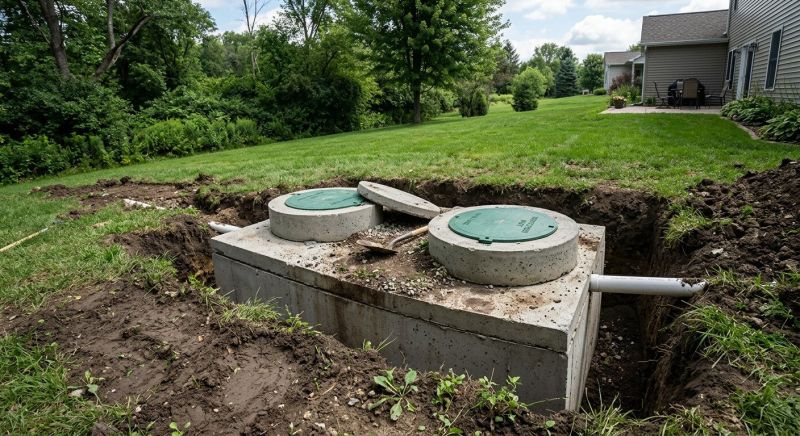
Septic Tank Replacement in Denver, CO
Septic tank replacement services involve removing an existing septic system and installing a new tank to ensure proper waste management for residential properties. This service is typically requested when a septic tank is aged, damaged, or no longer functioning effectively, and it covers projects such as full system removals, new installations for homes without existing systems, or upgrades to meet current code requirements. Homeowners should consider factors like the size of the property, household water usage, and local regulations before requesting a replacement, as these influence the type and capacity of the new septic tank needed.
Property owners often want to understand the scope of work involved, including site preparation, excavation, and the type of septic tank suitable for their property. It’s also important to consider the impact on daily living during the replacement process and any necessary permits or inspections required by local authorities. Having clear information about the project’s timeline, costs, and maintenance expectations can help homeowners make informed decisions and ensure their property’s waste management system functions reliably for years to come.
Many property owners in Denver, CO look into Septic Tank Replacement for repairs, replacements, upgrades, and appearance-related improvements.
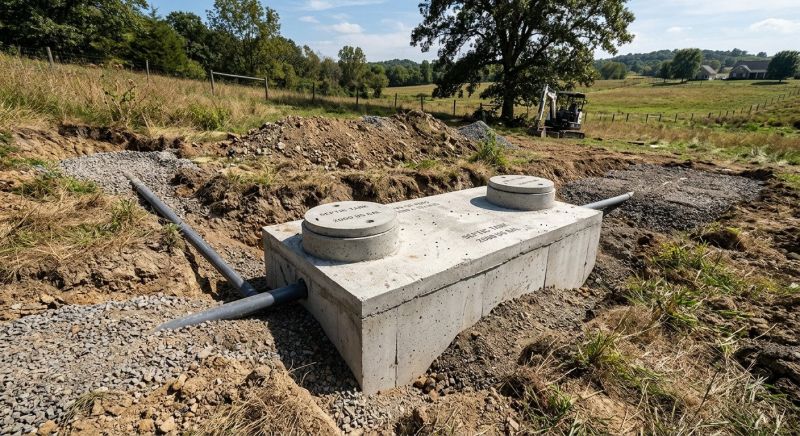
Septic Tank Replacement Options
Choosing the right replacement ensures reliable wastewater management for your property.
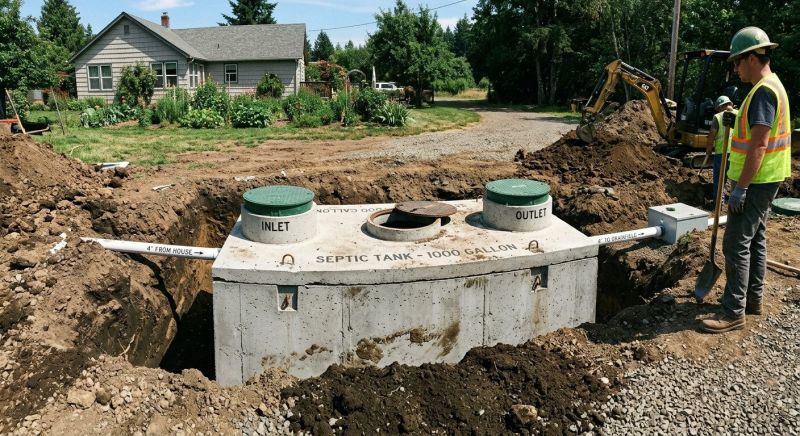
Signs You Need A New Septic Tank
Unpleasant odors, slow drains, and pooling wastewater can indicate the need for replacement.
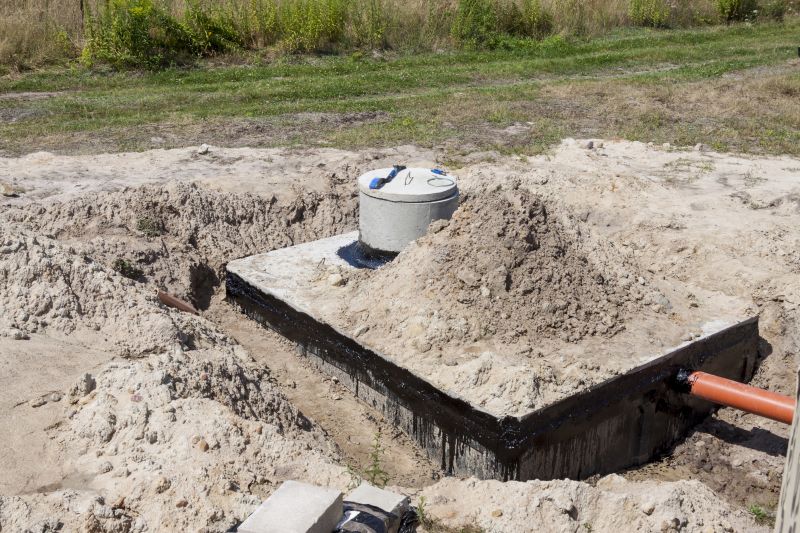
Benefits Of Upgrading Your Septic System
A modern septic tank can improve system efficiency and reduce the risk of costly repairs.
Septic Tank Replacement in Denver, CO

Septic tank replacement services involve removing an existing septic system and installing a new tank to ensure proper waste management for residential properties. This service is typically requested when a septic tank is aged, damaged, or no longer functioning effectively, and it covers projects such as full system removals, new installations for homes without existing systems, or upgrades to meet current code requirements. Homeowners should consider factors like the size of the property, household water usage, and local regulations before requesting a replacement, as these influence the type and capacity of the new septic tank needed.
Property owners often want to understand the scope of work involved, including site preparation, excavation, and the type of septic tank suitable for their property. It’s also important to consider the impact on daily living during the replacement process and any necessary permits or inspections required by local authorities. Having clear information about the project’s timeline, costs, and maintenance expectations can help homeowners make informed decisions and ensure their property’s waste management system functions reliably for years to come.
Many property owners in Denver, CO look into Septic Tank Replacement for repairs, replacements, upgrades, and appearance-related improvements.
Common Septic Tank Replacement Jobs
Septic Tank Replacement - involves removing an old tank and installing a new system to ensure proper waste management.
Septic System Upgrade - replaces outdated or failing tanks to improve system efficiency and reliability.
Tank Installation for New Properties - provides a new septic tank setup for homes without existing waste management systems.
Emergency Septic Replacement - addresses urgent tank failures that require immediate replacement to prevent property damage.
Septic Tank Conversion - replaces or modifies existing tanks to meet current code requirements or household needs.
Septic System Inspection and Replacement - assesses existing tanks and replaces them if they are no longer functional or compliant.
Septic Tank Replacement Questions
When should a septic tank be replaced? Replacement is typically needed when the tank is damaged, has reached the end of its lifespan, or is unable to function properly due to clogging or leaks.
What signs indicate a septic tank needs replacement? Signs include persistent odors, slow drains, sewage backups, or standing water around the tank area.
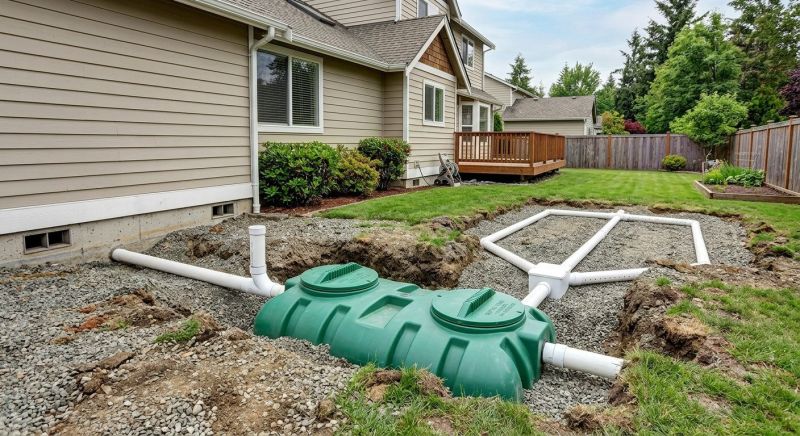
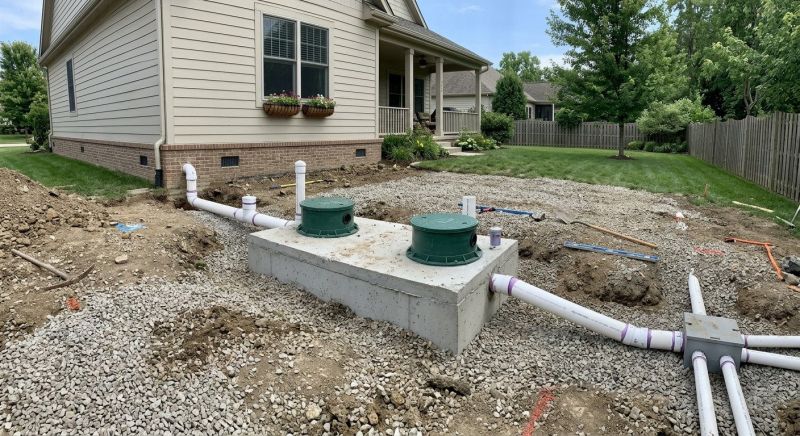
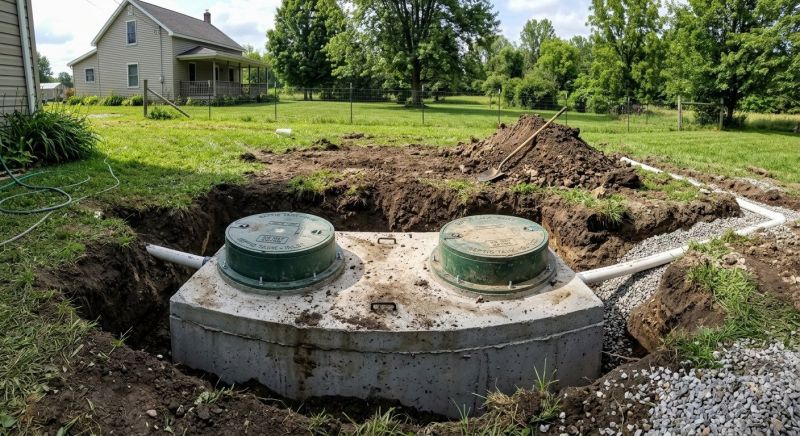
What types of septic tanks are available for replacement? Options include traditional concrete, plastic, or fiberglass tanks, chosen based on property size and usage needs.
How does the replacement process generally proceed? The process involves removing the old tank, preparing the site, and installing a new tank that meets local regulations and property requirements.
Request Septic Tank Replacement in Denver, CO
Use the quote form on this page to share the basics of your project and request more information for the type of work you need.